Why Exeter stopped telling students what makes it special and started showing them
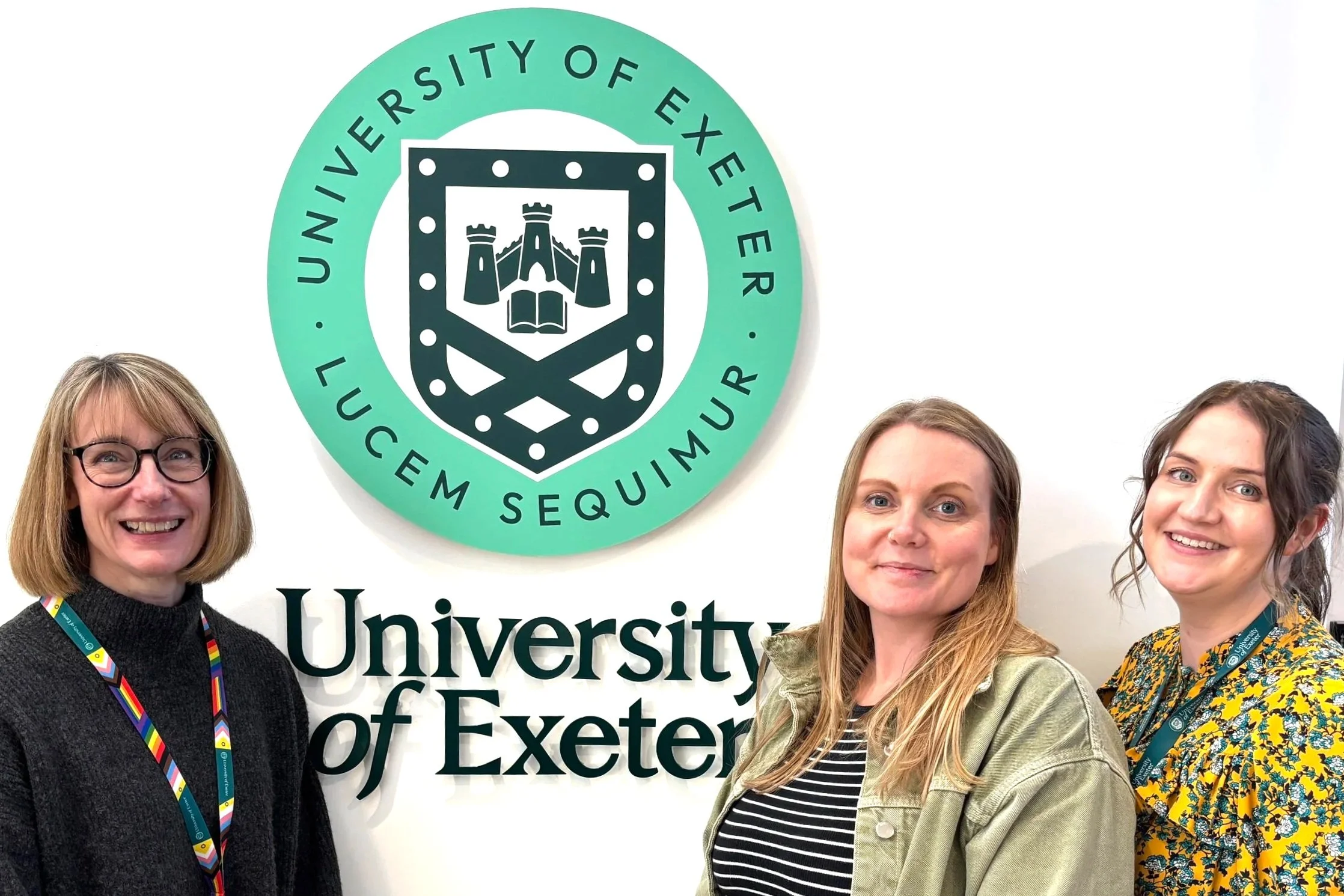
The team: Charley, Becky and Chan
In the competitive world of university marketing, it’s hard to be heard. We know the hurdle: how do you truly stand out when so many universities can have a similar message? The team at the University of Exeter recognises that it’s the people who make an institution, so they took a candid approach. They focused their efforts on building trust, human connection, and sharing student voices.
What’s in a name?
We start the interview with the elephant in the room, the campaign’s name: the ‘Conversion Campaign’. “OK, it’s not the best name,” laughs Becky Edmunds, Strategic Marketing Campaign Manager at the University of Exeter. “But we didn’t have much time, and I needed to submit the award and… it’s probably the reason we didn’t win!”
There’s a pause… and everyone is laughing. Becky, Charley Sweet, Social Media Manager and Chan Cheriton-Bibby, Campaign Manager are all on the call. It’s a warm welcome and it’s clearly a powerful team. They get results, they work hard and they have some fun along the way.
It's not a hard sell
Exeter’s shortlisted campaign - which was designed to boost undergrad and postgrad conversions - was a purposeful shift away from that corporate, traditional feel; this campaign was all about student-generated content (SGC).
The team quickly realised that by the conversion stage, students weren’t looking for information about league tables and awards won. They needed reassurance about the massive life decision they were facing. What worries them? What are they really thinking about? Research with current students revealed the core issues: well-being, careers, finance, safety and community.
Becky explained, “Everyone has very similar KSPs (key selling points) to shout about. Everyone has similar themes. So how could we look at the conversion phase, especially, and think about that content differently, and how could we make it resonate with prospective students?”
The response was simple and effective: stop telling students what makes Exeter special, and let current students show them.
The team handed the reins to their student content ambassadors, asking them to create genuine, honest content that spoke directly to those anxieties. It wasn’t about editing or polishing; the brief was to create content that answers one simple question: “What is life really like at Exeter?”
As Charley says, “You almost want the unfiltered version, don't you, straight from the mouths of the people who are actually doing it.”
Early on, the team decided that corporate messaging that you would traditionally use in your marketing, “Just doesn’t sit right” on social media anymore. Charley explains, “It’s a different tone of voice. Everything you see on social media, it’s in your world, in your life and so you don’t want to be talked to in third-person unrelated language. You need to draw people in.”
Letting students lead stripped away overly familiar marketing words that have become the norm, giving prospective students a realness that resonated and translated well. This was especially vital for international recruitment, where seeing a diverse range of student experiences helped to alleviate fears relating to cultural differences.
Chan told us, “We are very aware that starting uni is really daunting, there is a lot of homesickness, so being able to see yourself in our posts, I think was really important, and that's why we try to use a range of students, international students, students from different experiences, to show people that we know putting all your stuff in one suitcase and flying across from the other side of the world is a big thing, but you can do it. And we'll show you that you can do it because we have students doing it every year.”
Unfiltered, real content, everywhere
Student-generated content was at the core of the team’s output. It was woven through everything, from paid social media ads, CRM messages linking directly to student blogs and website landing pages that acted as a central hub.
This gave the content longevity, which allowed time to deliver a whopping return on investment. It became a "circle of life" where every channel pointed prospects toward the vibrant #ExeterUniLife community.
A perfect example of this human focus was a live Q&A session. They promoted it on social media, featuring students alongside the accommodation team, offering a direct, open-access chat that made the university feel accessible and friendly at a critical decision point.
Measuring impact
Results show that the top-performing Vimeo video on wellbeing support had 484.1k views, which informed the organic content strategy, fostering more open conversations. Then there was the high click-through rate (4.34%) of an Exeter student flat tour video hosted on Meta, which contributed to record-breaking accommodation applications.
Postgraduate deposits from the UK increased by 61% year-on-year and the team hit the most firm acceptances in 20 years for undergraduates. Impressive!!!
The key takeaway for the team? Charley says, "I think it's about being braver, and the results speak for themselves." Realising that letting go of control - a frequent source of fear in higher education was the key to making lasting connections in this campaign.
By trusting their students, Exeter proved that even as a Russell Group university, you don't have to sit in an "ivory tower." You can have fun, be accessible, and properly connect in a way that isn’t contrived.
Becky sums it up best, “It’s less about rankings and more about place. Find your people, find your purpose, it’s about connecting on that human level, which is really important.”
It makes you wonder. What big leap of trust could your team take right now to let your students connect with the next generation? 🤔